Why Your Blood Pressure Is Different at Home vs. the Doctor's Office
Your home readings say 118/76, but at the doctor it spikes to 142/88. Learn about white coat hypertension, proper monitoring technique, and when to trust which reading.
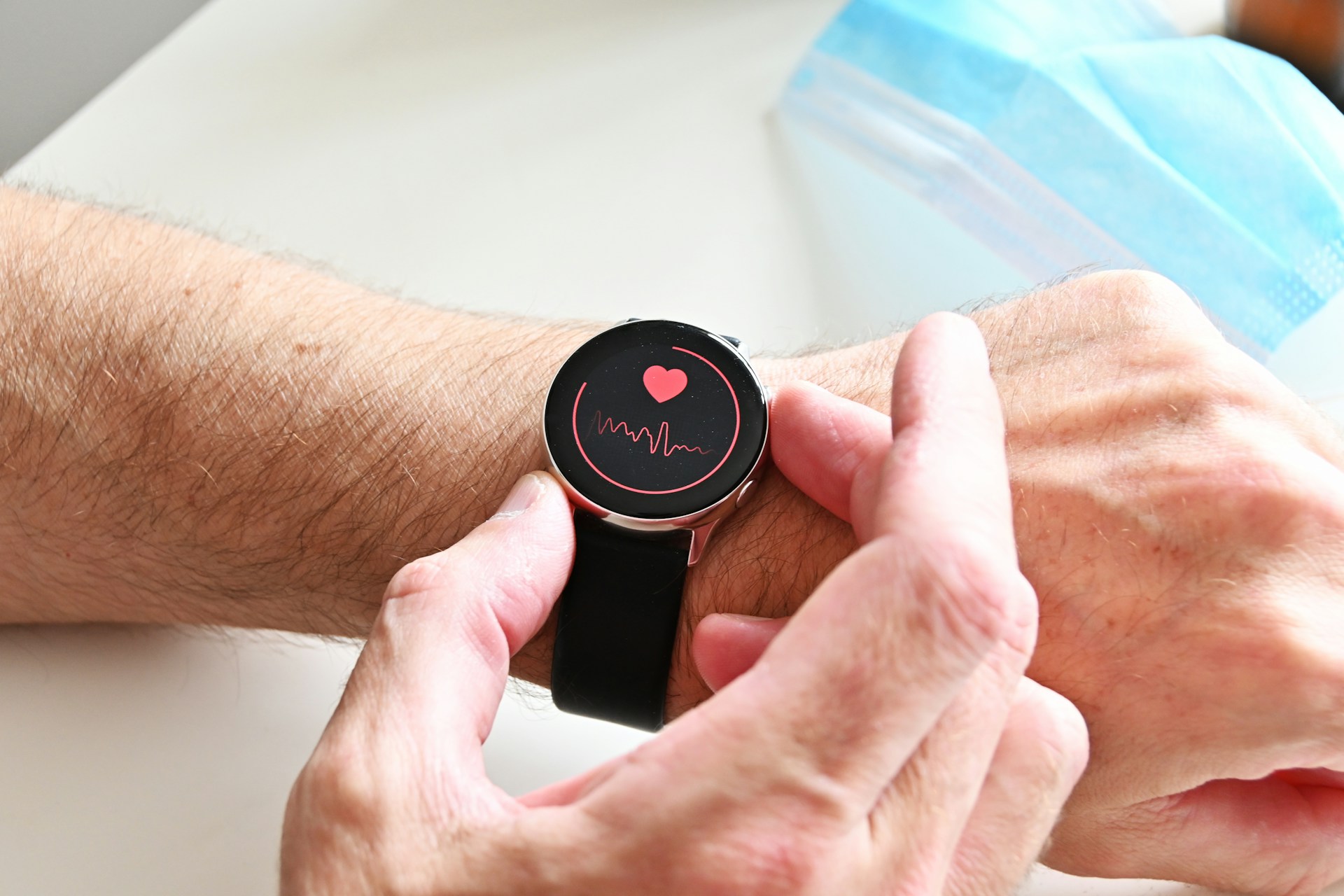
You check your blood pressure at home every morning: 118/76. Perfectly normal. But at your doctor appointment, the nurse puts the cuff on your arm and the machine reads 142/88. Your doctor frowns and mentions starting blood pressure medication.
Wait—how can your blood pressure jump 24 points in systolic pressure just by walking into a medical office? Are your home readings wrong? Is your doctor overreacting? Which number should you trust?
White Coat Hypertension Is Real
The phenomenon of elevated blood pressure in medical settings has a name: white coat hypertension. It affects 15-30% of people who have high readings at the doctor but normal readings elsewhere.
This is not just nervousness or anxiety. Research shows that the stress response triggered by medical environments causes real physiological changes—your sympathetic nervous system activates, releasing hormones that constrict blood vessels and increase heart rate.
For some people, just seeing a white coat or sitting in an exam room is enough to trigger this response. The effect is strongest in people who are naturally anxious, those who have had negative medical experiences, or anyone who fears receiving bad news about their health.
Compare Your Home and Office Readings
Use our blood pressure calculator to check what your different readings mean for your actual cardiovascular risk.
Check Your Readings →The Opposite Problem: Masked Hypertension
Less commonly discussed but equally important is masked hypertension—when your blood pressure is normal at the doctor but elevated at home or work. This affects about 10-15% of people.
Masked hypertension is actually more dangerous than white coat hypertension because it goes undiagnosed and untreated. You get a clean bill of health at your annual checkup while your blood pressure is silently damaging your arteries the other 364 days of the year.
Risk factors for masked hypertension include younger age, male gender, smoking, high stress jobs, high alcohol consumption, and diabetes. If you have these risk factors, home monitoring becomes especially important.
Which Reading Should You Trust?
Here is the key insight from decades of research: home blood pressure readings are better predictors of cardiovascular risk than office readings.
A 2018 study in the New England Journal of Medicine followed nearly 64,000 people and found that home blood pressure readings were more strongly associated with mortality risk than office readings. Your average blood pressure throughout daily life matters more than a snapshot taken in an artificial medical environment.
That said, both readings provide valuable information. If there is a large discrepancy, your doctor should investigate why—not simply dismiss one set of readings or the other.
How to Get Accurate Home Readings
Home blood pressure readings are only useful if they are accurate. Most people make mistakes that inflate or deflate their numbers. Here is how to do it right:
Choose the Right Equipment
Use an automatic upper arm cuff, not a wrist or finger monitor. Wrist monitors are less accurate. Make sure the cuff is the right size for your arm—the bladder inside should encircle 80% of your arm circumference.
Follow the Right Technique
- Time it right: Measure in the morning before medications and in the evening before dinner
- Rest first: Sit quietly for 5 minutes before measuring
- Empty your bladder: A full bladder can raise blood pressure by 10-15 mmHg
- Proper position: Sit with back supported, feet flat on floor, arm supported at heart level
- No talking: Stay silent during the measurement
- Take multiple readings: Take 2-3 readings one minute apart and average them
- Avoid caffeine, exercise, and smoking for 30 minutes before measuring
Track Consistently
One or two home readings do not prove anything. Track for at least a week (ideally two weeks) before drawing conclusions. Look at the average, not individual readings that spike or dip.
Monitor Your Blood Pressure Trends
Regular tracking helps identify patterns and determines whether you need treatment.
Calculate Your Average →When You Should Trust Office Readings
Home monitoring is not perfect. Here are situations where office readings might be more reliable:
- Your home monitor is not validated: Not all devices are accurate. Look for monitors validated by organizations like the American Medical Association
- Improper technique: If you are not following proper measurement technique, home readings will be unreliable
- Atrial fibrillation: If you have irregular heart rhythms, home monitors may give inaccurate readings
- Very high office readings: If your office reading is above 180/120, this is a medical emergency regardless of home readings
What Your Doctor Should Do About Discrepancies
If your home and office readings differ significantly, your doctor should not simply pick one and ignore the other. The proper approach includes:
- Verify your technique: Bring your home monitor to an appointment and demonstrate your technique
- Confirm device accuracy: Compare your home monitor readings with simultaneous office readings
- Ambulatory blood pressure monitoring: Wear a device for 24 hours that automatically takes readings throughout the day and night
- Consider context: Discuss stress levels, medication timing, and lifestyle factors that might explain differences
For confirmed white coat hypertension with no other cardiovascular risk factors, watchful waiting with regular home monitoring is often appropriate. For masked hypertension, treatment is usually necessary despite normal office readings.
The Bottom Line
Blood pressure readings in medical offices are often higher than home readings due to white coat hypertension. Less commonly, home readings are higher (masked hypertension). Both patterns are real and both matter.
Home readings are generally better predictors of cardiovascular risk, but only if measured correctly with validated equipment. If your home and office readings differ by more than 10-15 mmHg consistently, discuss this with your doctor.
The goal is not to prove your doctor wrong or avoid treatment—it is to understand your true cardiovascular risk and make informed decisions about whether you need medication. Sometimes that means treating based on office readings, sometimes on home readings, and sometimes getting additional testing to clarify the situation.
Medical Disclaimer: This article is for educational purposes only and does not constitute medical advice. Do not adjust your blood pressure medications based on home readings without consulting your healthcare provider. Always follow your doctor's recommendations for monitoring and treatment.
References
1. Banegas JR, et al. Relationship between clinic and ambulatory blood pressure and mortality. New England Journal of Medicine. 2018;378(16):1509-1520.
2. Stergiou GS, et al. 2021 European Society of Hypertension practice guidelines for office and out-of-office blood pressure measurement. Journal of Hypertension. 2021;39(7):1293-1302.
3. Franklin SS, et al. White-coat hypertension: new insights from recent studies. Hypertension. 2013;62(6):982-987.
4. Peacock J, et al. Masked hypertension: a systematic review. Journal of Clinical Hypertension. 2011;13(7):494-499.